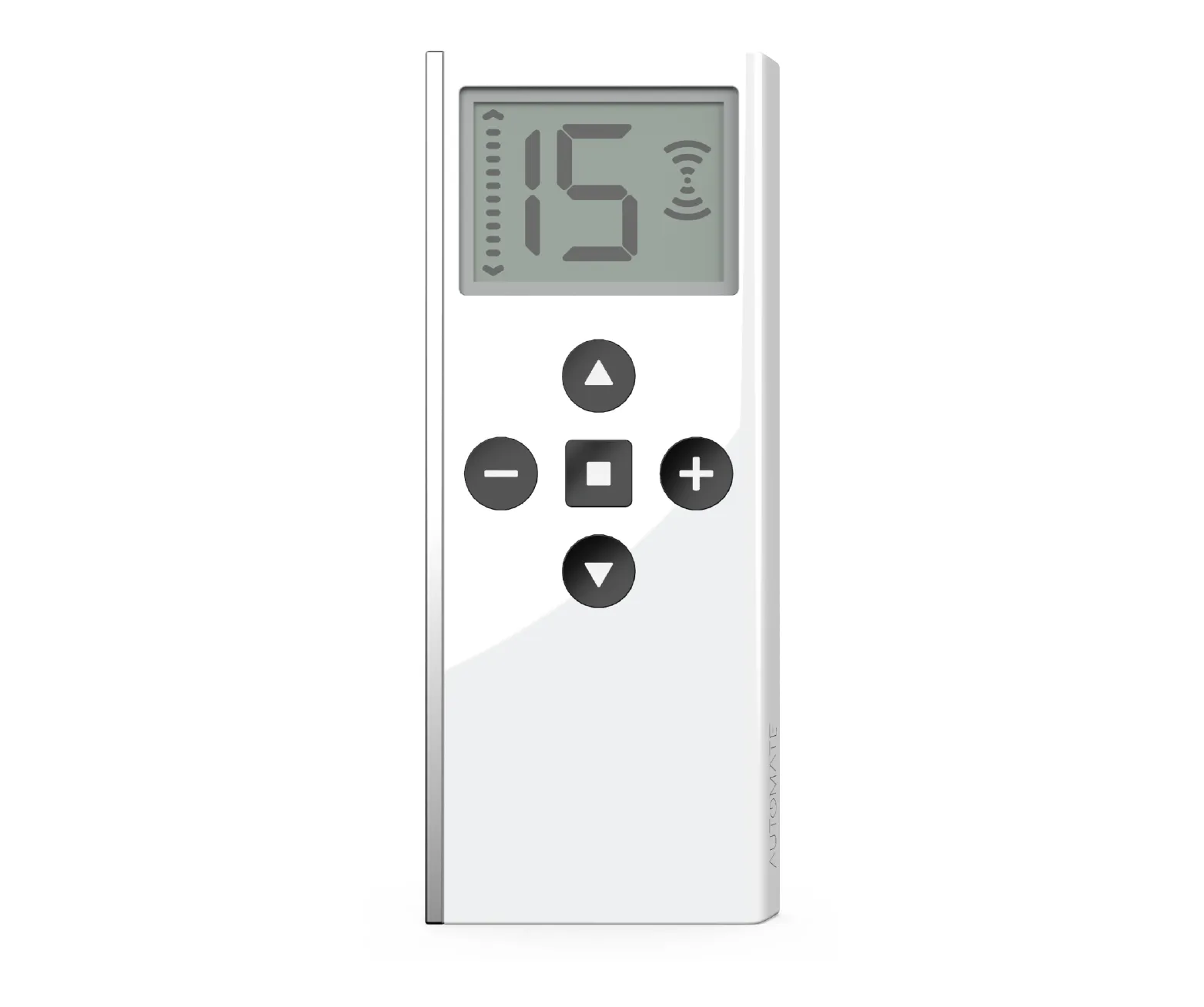
The Brief
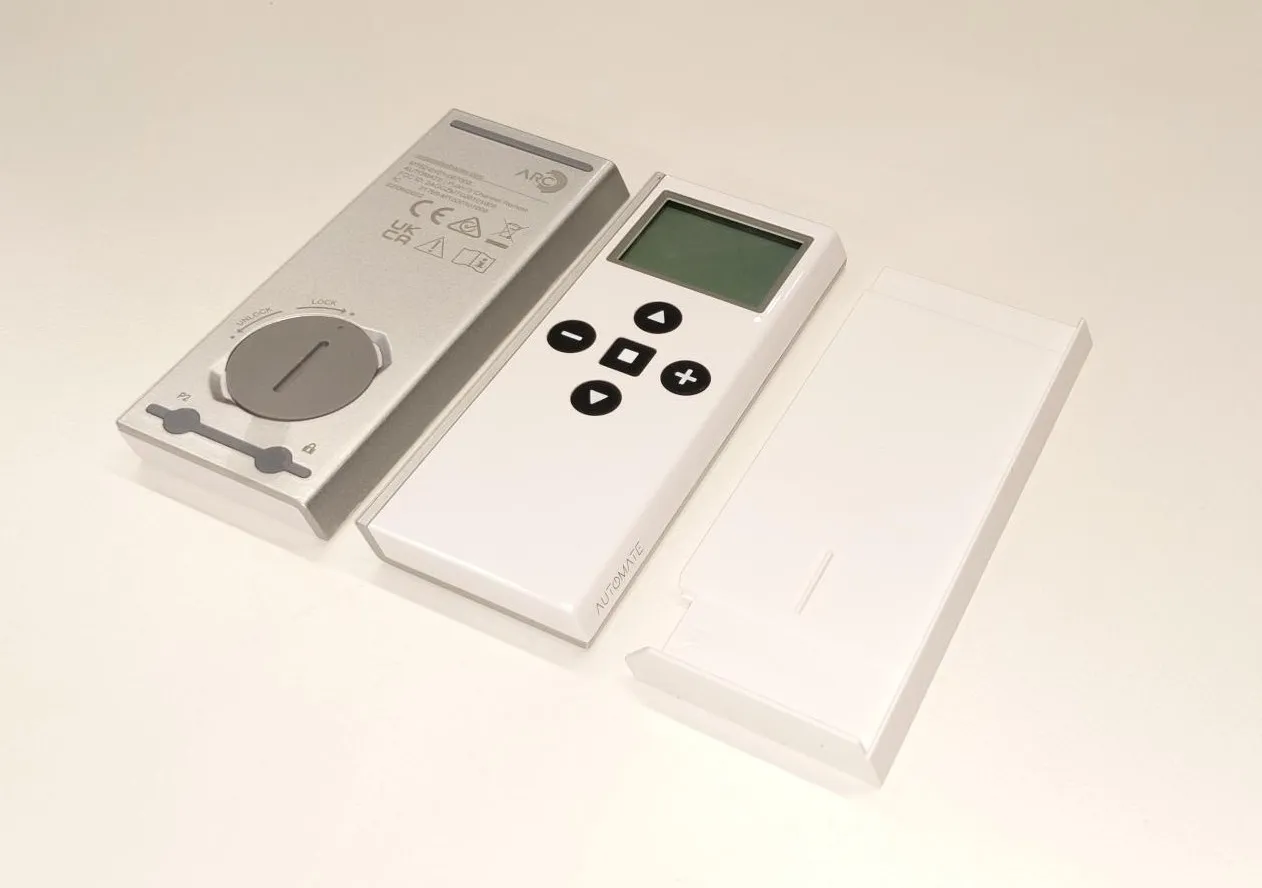
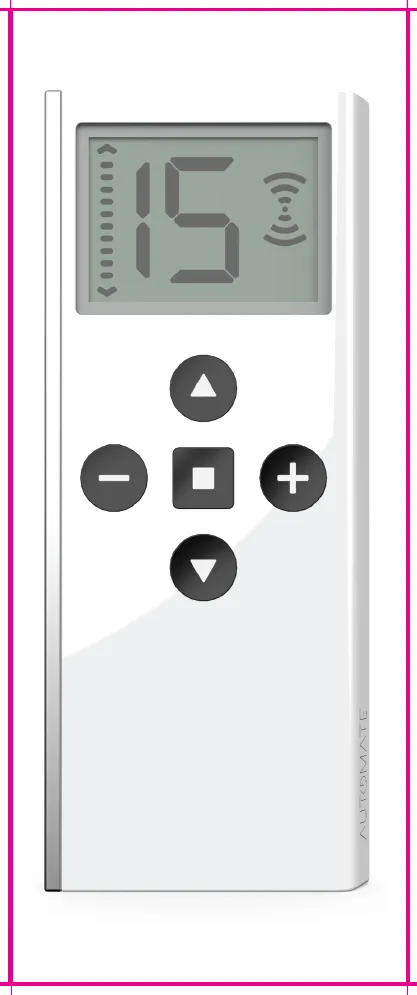
The Automate Push 15, a wall-mountable handheld remote for motorised window coverings that is sold in both the Australian and US markets, required a compliance redesign to meet new mandatory coin-cell battery safety regulations introduced by the US CPSC under Reese’s Law in 2024 and to continue to adhere to the Australian ACCC’s regulations. The project covered mechanical redesign of the battery compartment, updated packaging, revised labelling, an updated manual and provided the opportunity to undertake wall mount standardisation across the Automate Push series of remotes. It was delivered in accordance to the timeframe laid out by the US regulatory requirements.
The Regulatory Problem
Button and coin-cell batteries pose a well-documented ingestion hazard to young children. A lithium coin cell lodged in a child’s oesophagus can cause severe tissue burns within two hours due to electrolytic action. Two mandatory regulatory frameworks drove this project:
United States — Reese’s Law / ANSI/UL 4200A-2023
Named for an 18-month-old child who died after swallowing a coin cell, Reese’s Law directed the CPSC to establish mandatory federal safety requirements for products containing button and coin batteries. The resulting standard requires battery compartments that need a tool or two simultaneous independent movements to open, performance testing under foreseeable use and misuse conditions, prescribed warning labels across the product, packaging, and documentation, and a General Certificate of Compliance (GCC) from the manufacturer.
Australia — ACCC Mandatory Safety Standard / IEC 62368-1:2018 & ANSI/UL 4200A-2023
Under the Consumer Goods (Products Containing Button/Coin Batteries) Safety Standard, all consumer products containing accessible coin-cell batteries must have a battery compartment that cannot be opened by a child without a tool or two simultaneous independent actions. Compliance is demonstrated through nominated applicable standards; the Push 15, as an electronic apparatus, fell under IEC 62368-1:2018 (Audio/video, information and communication technology equipment — Safety requirements) as its product-specific standard, with UL 4200A (the Lithium Technologies Standard) also applicable within the framework. Prescribed warning labelling is required on the product itself, on packaging, and in documentation. Non-compliance penalties are significant.
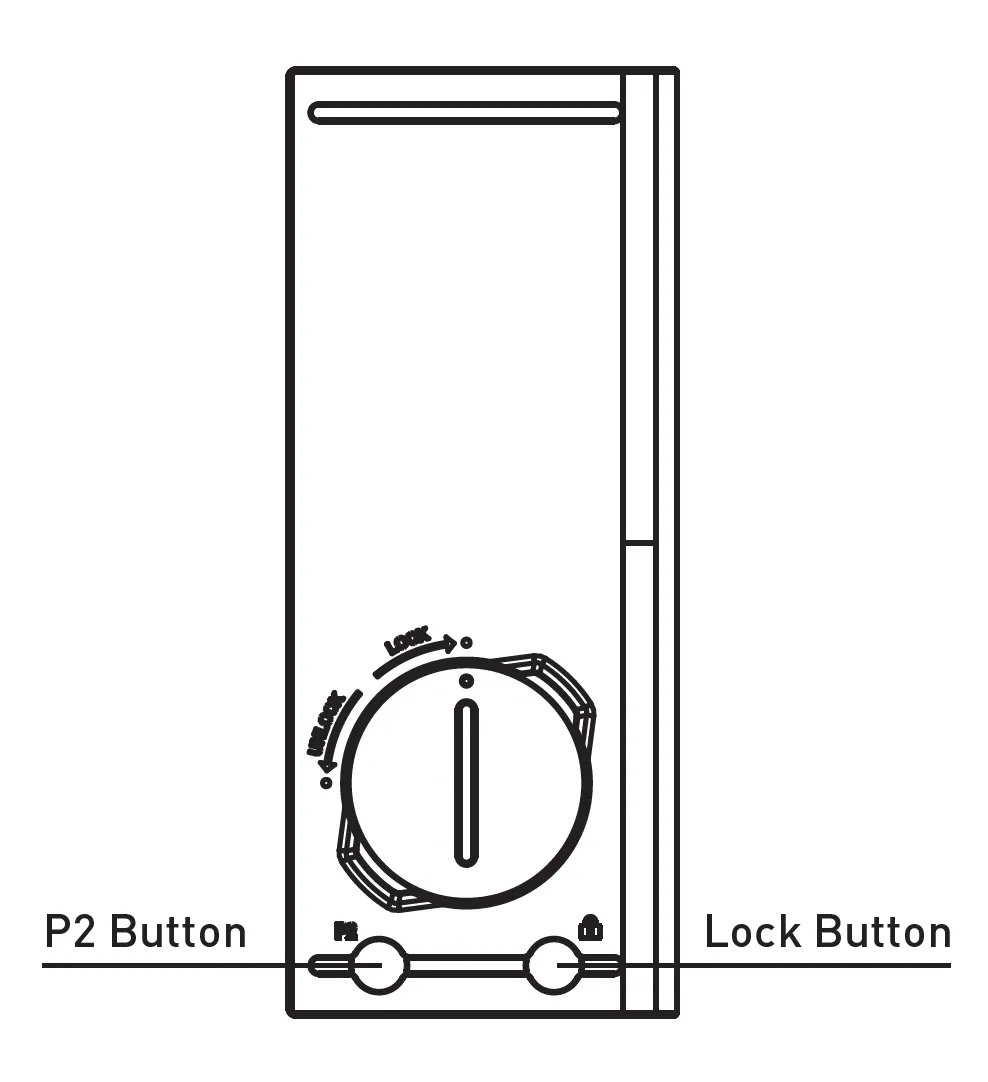
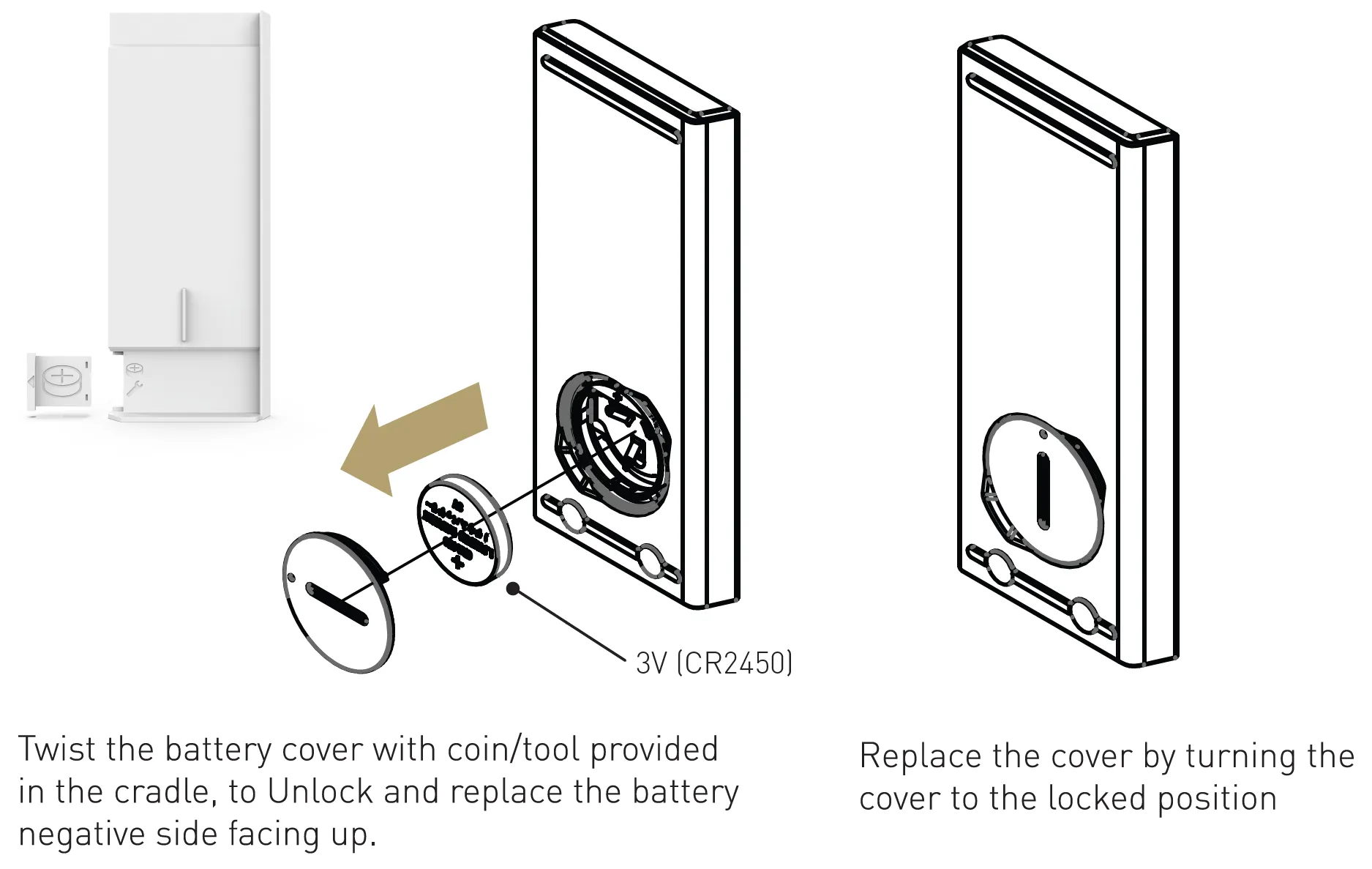
The existing Push 15 battery compartment (manual excerpts show the mechanism for opening below) used a simple twist mechanism — no tool requirement, no two-step action which would make it non-compliant under the new US standards.
Design Constraints
Fixed backplate
The existing ZAMAK (zinc-aluminium alloy) die-cast backplate — a precision metal component shared across the remote’s core assembly — could not be remanufactured. Tooling a new ZAMAK component at production volumes is a significant capital investment that was outside the project scope. Every new mechanical component had to locate, seal, and function against the existing backplate geometry. This was the primary constraint on the mechanical design: the compliance solution had to be designed to fit around a fixed metal part that could not change.
Retain product identity
The Push 15 had an established market presence. The redesign had to maintain the remote’s overall form factor, feel in hand, and wall-mount compatibility.
Dual-market compliance
The Australian and US standards share a common intent but differ in their specific labelling requirements, test protocols, and certification obligations. The mechanical design had to satisfy both simultaneously; labelling and documentation required market-specific variants where the requirements diverged.
Cross-functional delivery under a hard deadline
Battery compartment testing and manual updates could not begin until a stable design was available. Packaging artwork could not be finalised until labelling requirements were fully interpreted. The project required mechanical design, product management, and test to operate in parallel and hand off to each other without blocking progress.
What Was Designed
Battery Door and Locking Ring
The central mechanical deliverable was a new battery door and internal locking ring implementing a push-pin latch mechanism. The latch requires a deliberate, tool-mediated action to release (an actuation that a child cannot perform incidentally) while remaining clearly operable for an adult in normal use. Both components were designed to locate precisely against the existing ZAMAK backplate, which remained unchanged.
Material selection, wall thickness, and latch geometry were driven by the performance test requirements of both standards — foreseeable use and misuse conditions including pull, twist, and impact — as much as by form and assembly considerations. Prototype iterations were evaluated against both the functional brief and the test requirements before the design was released for tooling. The battery door and locking ring are the only plastic components changed in the remote assembly.
Note: Mechanism geometry is proprietary and as such is not detailed here.
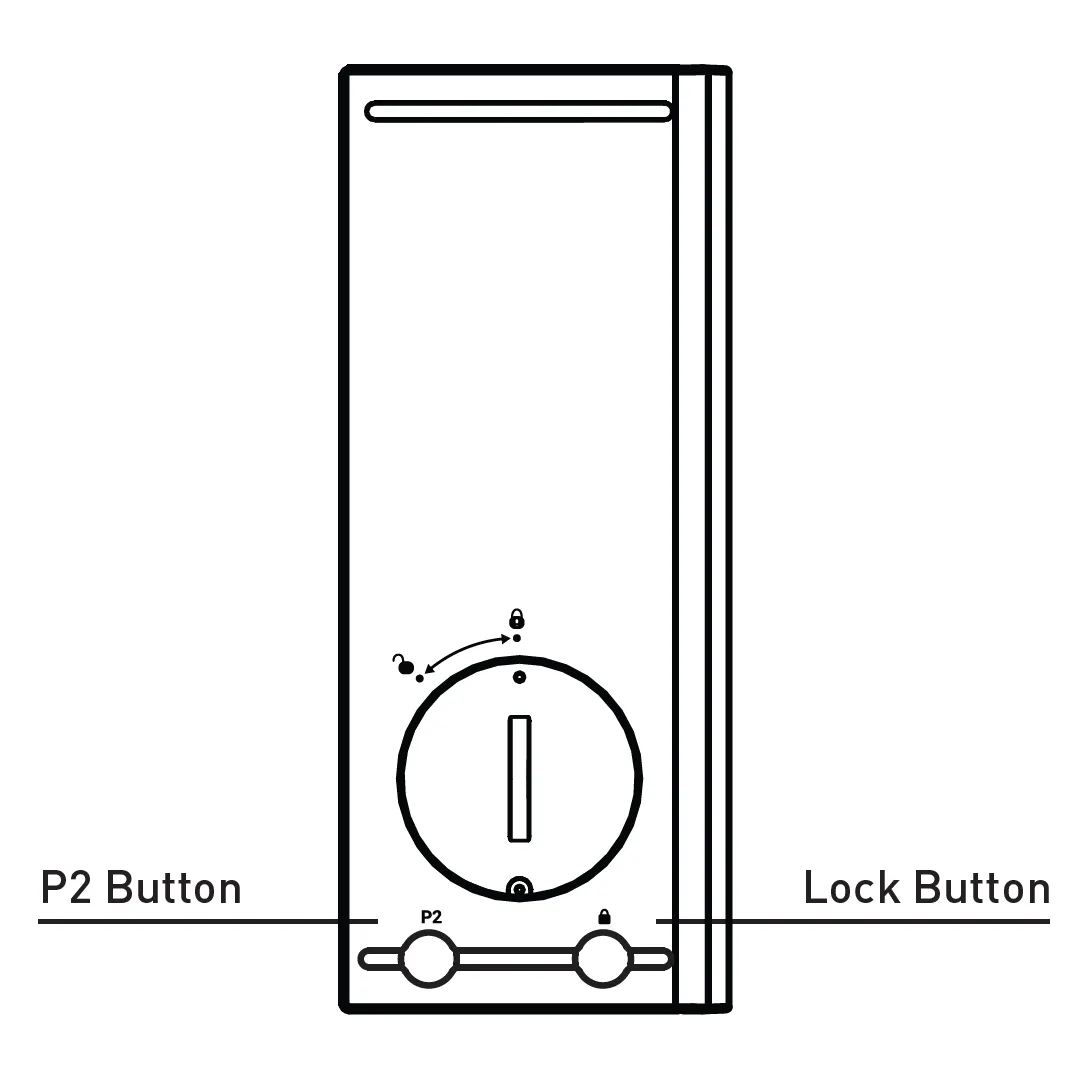
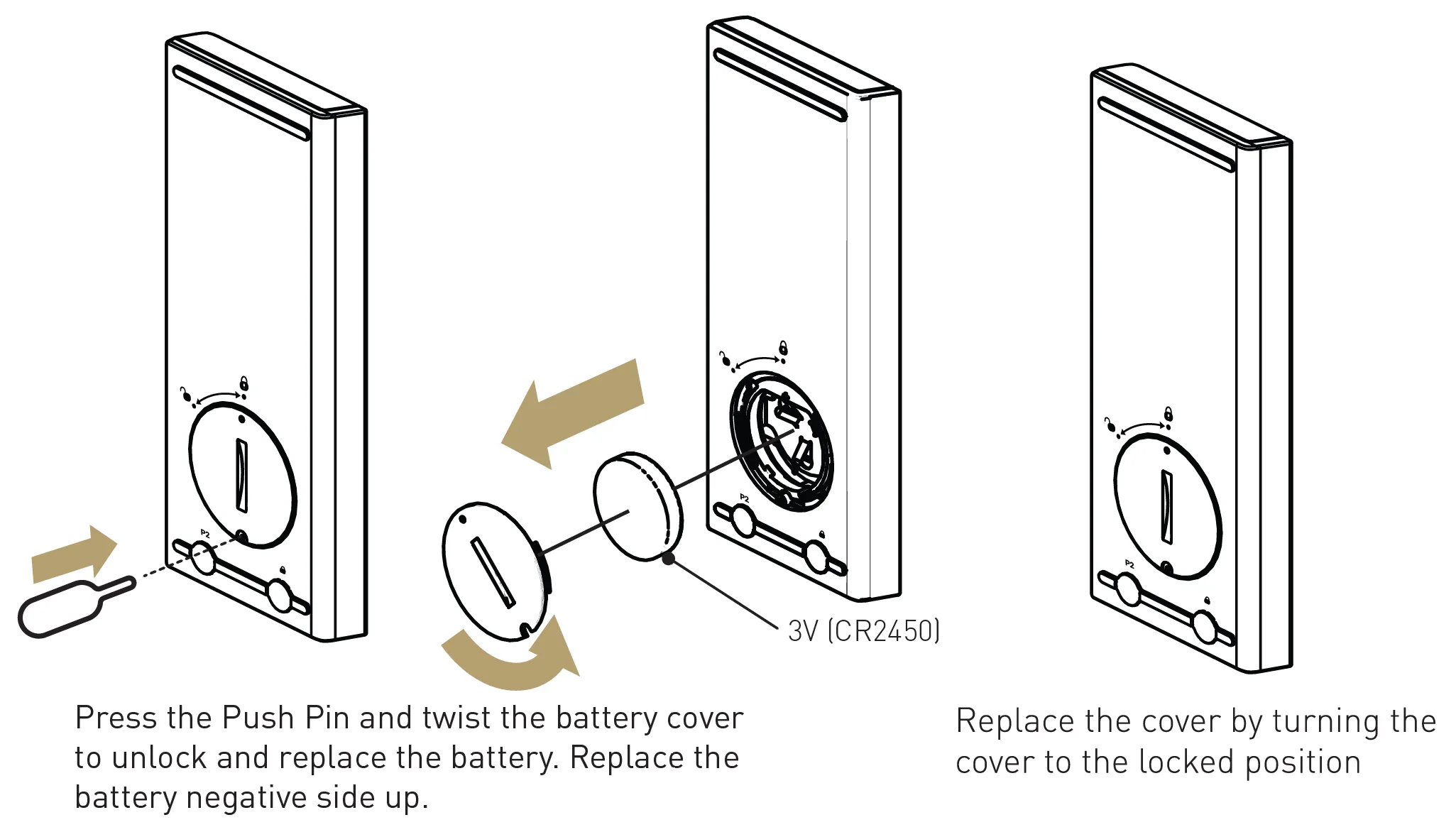
Wall Mount Standardisation
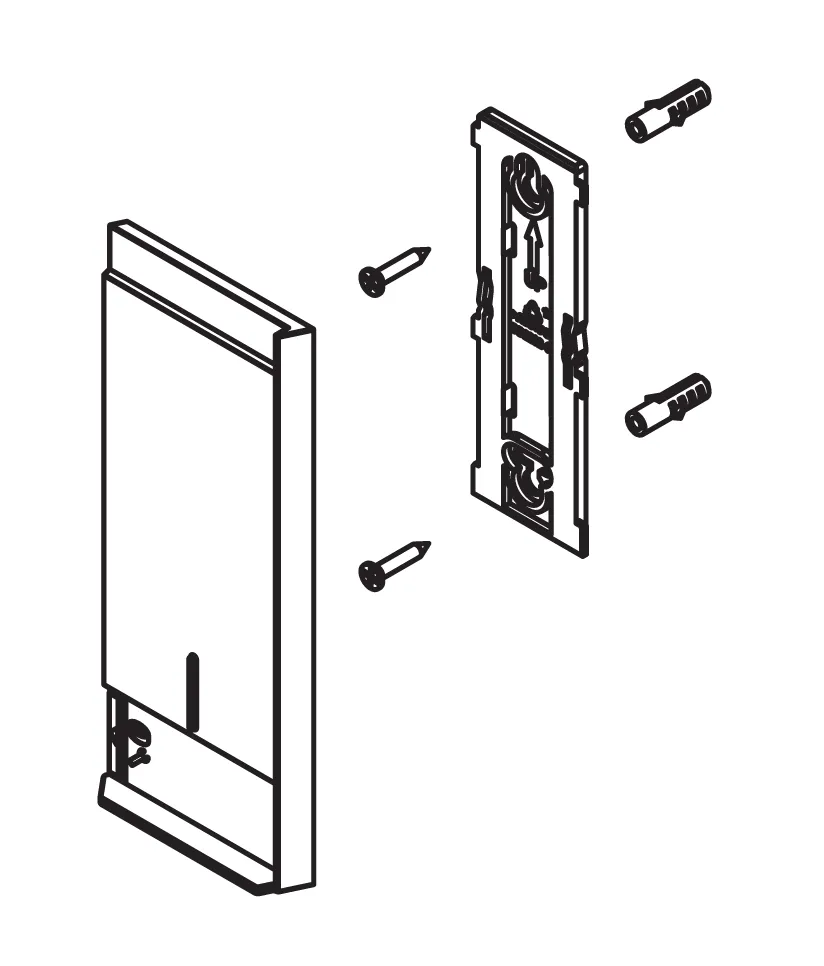
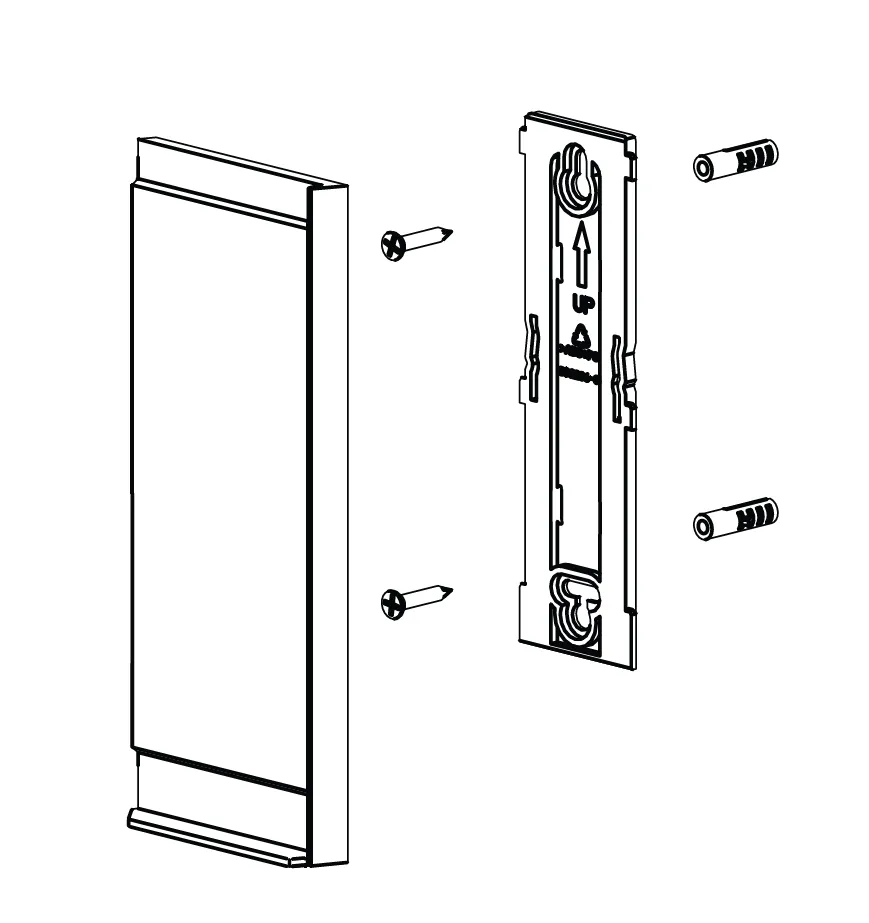
The Push 15 had previously used its own bespoke wall mount clip, which differed from the clip used across the rest of the Automate remote range. As a secondary scope item within this project, the wall mount was updated to accept the standard clip used on other models — standardising the mounting interface across the range and reducing the number of unique parts.
The wall mount cradle was also redesigned to remove a small plastic tool that had previously been included to assist with opening the original battery door. In addition to being a choking hazard under the new regulations, the tool was not considered adequate to satisfy the two-action requirement.
Packaging, Labelling, and Manual
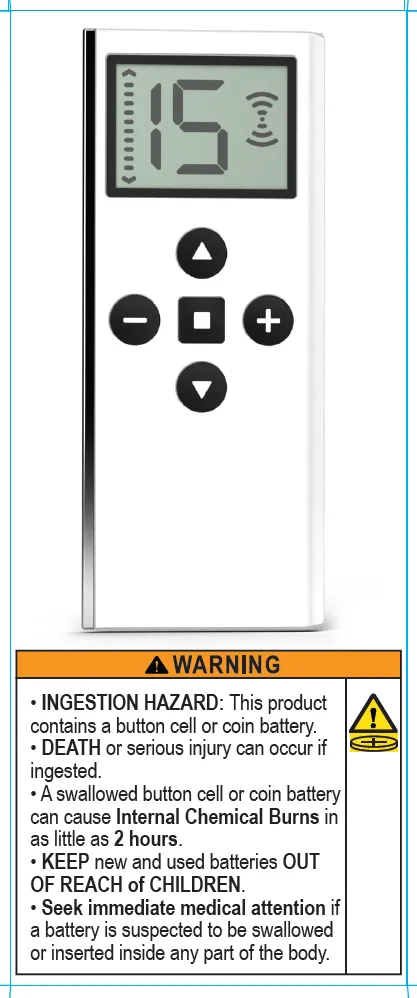
Packaging was updated to meet prescribed warning labelling requirements in both markets (see the primary change below). Product labelling was updated to include the required coin-cell ingestion hazard warnings on the remote itself, with placement constrained by the available label real estate on a compact handheld device. The user manual was rewritten and reillustrated to include the updated battery replacement procedure, required warning language, and market-specific content where standards diverged.
Process
Regulatory interpretation
The first and most critical phase of the project. Both the Australian mandatory standard, IEC 62368, and ANSI/UL 4200A-2023 required careful reading to determine exactly what the battery compartment, labelling, and documentation needed to achieve — and if, and where, the two standards diverged. This interpretation directly shaped the mechanical design brief before any geometry was drawn.
Design iteration
The latch geometry was developed to satisfy the performance requirements while remaining manufacturable in plastic and assemblable against the existing metal component, working within the fixed backplate constraint throughout.
Testing
Testing was conducted both by Rollease Acmeda’s internal testing team and by an authorised testing laboratory against the applicable standards’ foreseeable use and misuse procedures. Design revisions were made in response to test findings before the final design was locked for tooling.
Parallel workstreams
Packaging artwork, labelling copy, and manual were progressed alongside mechanical design to minimise schedule impact, with final sign-off deferred until the mechanical design was confirmed.
Outcomes
- Battery door and locking ring designed, tooled, and validated — compliant with both Australian and US mandatory standards
- Wall mount clip standardised across the remote range
- Packaging, labelling, and manual updated and approved for both markets
- Project delivered ahead of the US March 2024 regulatory deadline
- General Certificate of Compliance (GCC) issued for the US market